News
Social Ads Need Advertiser ID Checks From 1 Nov 2026: What Clothing Shops Should Prepare
Last updated 2026-10-24From Plien Roob — AI model photography for online stores

The second notice from the Electronic Transactions Commission on technology-crime prevention measures for social media service providers was published in the Royal Gazette on 5 May 2026 and takes effect 180 days later, on 1 Nov 2026. Providers that earn ad revenue must verify the advertiser's identity before the ad runs. Clothing shops that advertise on social media should know what the rule says and what to prepare.
What the new rule says
Providers that earn ad revenue must verify the advertiser's identity before publishing the ad
A verification lasts at most 1 year
Two routes: check a government document and match it to the same person (for example by face comparison), or use a standard digital ID system
Providers must keep name, evidence and contact details for at least 90 days after the ad ends
If the payer isn't the advertiser, such as an agency, the payer's details must be kept too
 Illustration
Which platforms, and what is still unknown
Thai media quoting ETDA's executive director report that example platforms in scope are Facebook, Instagram, TikTok, YouTube and X, while the analysis by the law firm Tilleke & Gibbins doesn't list names. We could not open the notice in the Royal Gazette itself, so we rely on the law-firm analysis and on media that agree on the main points. No source we read says what exact steps each platform will ask shops to take, or what happens to a shop that doesn't pass verification.
What shops that run ads should prepare
Check which person or company name your ad account is registered under, and whether it matches the documents you hold
If you use an agency, ask who the advertiser is and who pays, because the rule keeps both sets of details when they differ
Wait for the steps each platform shows in your own ad account, and don't trust messages claiming to be the platform that ask for documents through odd links
 Illustration
7 things you can do in Plien Roob
What you can make on this site. Each card is that tool's cover image; tap it to read how the tool works.






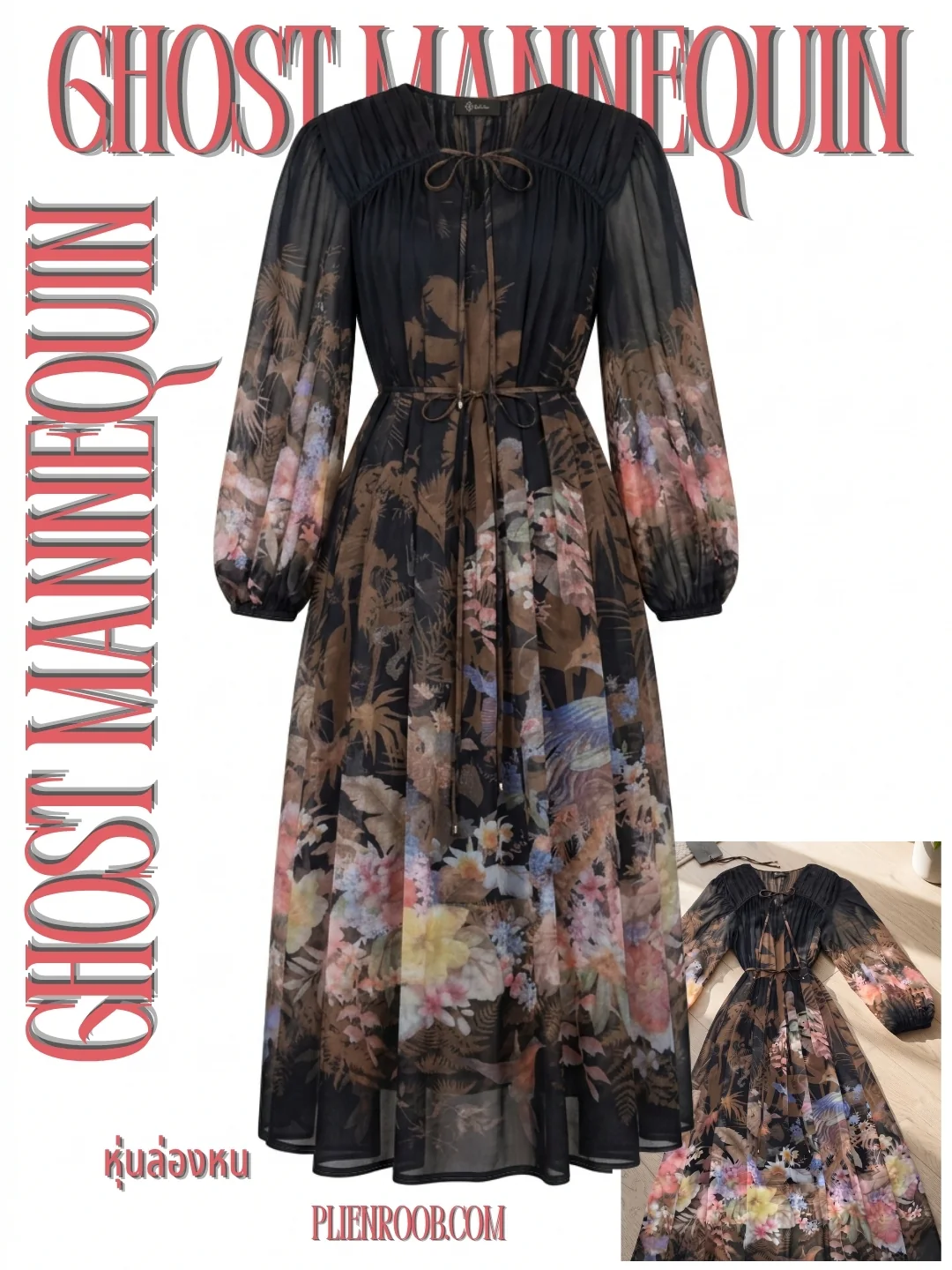
Ad images still have to match the real product
Identity verification concerns the advertiser; the image in the ad is still the shop's responsibility and must not mislead. If you use AI images, zoom in and compare the print, lettering and cut with the real garment before posting, as covered in the piece on TikTok Shop's AI image rules.
If you make product photos with Plien Roob
In Plien Roob's product-to-model tool you upload a photo of clothes laid flat or on a hanger and pick the model and scene yourself. The system tells the AI to keep the print and lettering from your photo, but that is an instruction, not a guarantee, so check each against the real garment before it goes into an ad. Advertiser identity verification is a step run by the ad platforms; Plien Roob has no part in it.
Frequently asked questions
When does the advertiser verification rule start
The notice was published in the Royal Gazette on 5 May 2026 and takes effect 180 days later, on 1 Nov 2026, according to Tilleke & Gibbins and several Thai outlets. We could not open the notice itself.
How often must I verify again
As Tilleke & Gibbins and Post Today report, a verification lasts at most 1 year.
How can identity be verified
Two routes, as reported: check a government document and match it to the same person, for example by face comparison, or use a standard digital ID system. No source tells us each platform's own method.
What happens to a shop that doesn't pass
None of the sources we read says what happens to a shop that doesn't pass. Watch the notices in the ad account of the platform you use.

Plien Roob
Ready for your first product photo?
Sources
- Tilleke & Gibbins · Thailand mandates advertiser identity verification for social media platforms · 2026-05-06
- ผู้จัดการออนไลน์ · 1 พ.ย.69 ยิงแอดเฟซบุ๊กมั่วซั่ว ปล่อยโฆษณาหลอกลวง แพลตฟอร์มร่วมรับผิด · 2026-09-08
- โพสต์ทูเดย์ · SME ต้องรู้ ยิงแอดผ่านโซเชียล ต้องยืนยันตัวตน เริ่ม 1 พ.ย.69 · 2026-09-08
- ฐานเศรษฐกิจ · สกัดโจรยิงแอด กฎใหม่บังคับยืนยันตัวตนก่อนโฆษณาออนไลน์ · 2026-08-31
Photos by Zulfugar Karimov · MART PRODUCTION on Pexels