AI Tools
Ghost mannequin: catalogue photos with nobody in them
Last updated 2026-09-07From Plien Roob — AI model photography for online stores
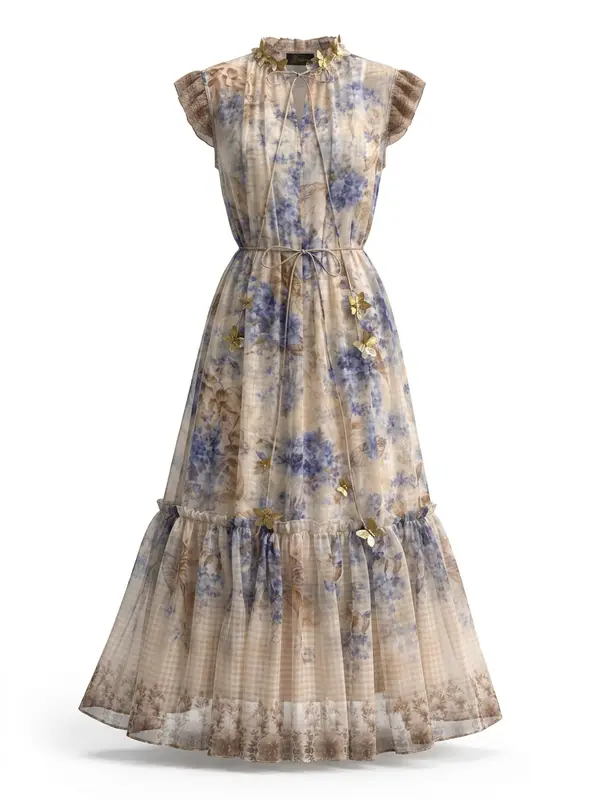

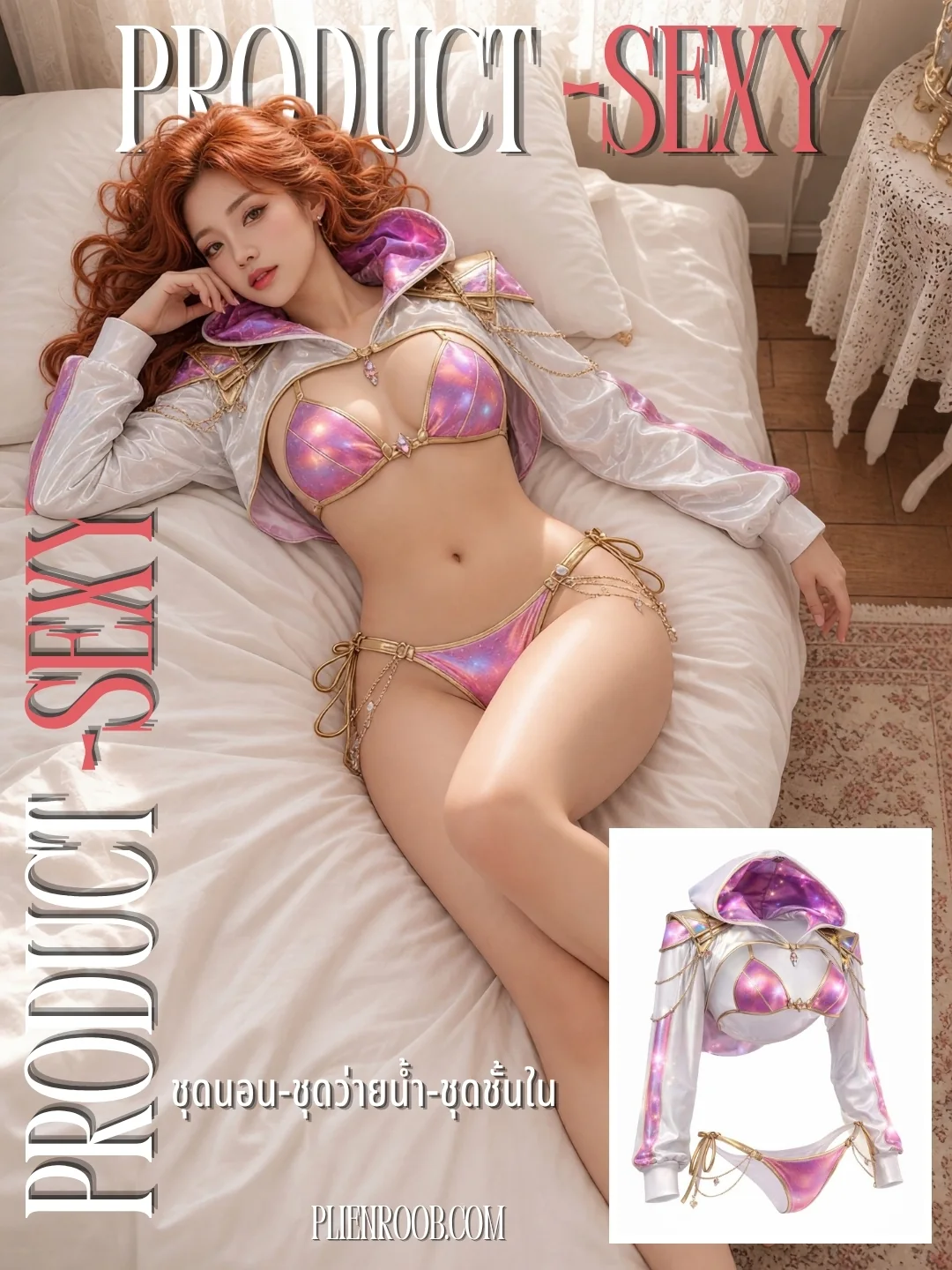
The ghost mannequin is the standard catalogue shot for clothing: the garment holds the shape it takes when worn, you can see fabric thickness and the inside of the collar, and there is no person and no mannequin in the frame. It works from flat-lay photos and from photos of someone wearing the item.
Input quality is the dominant variable
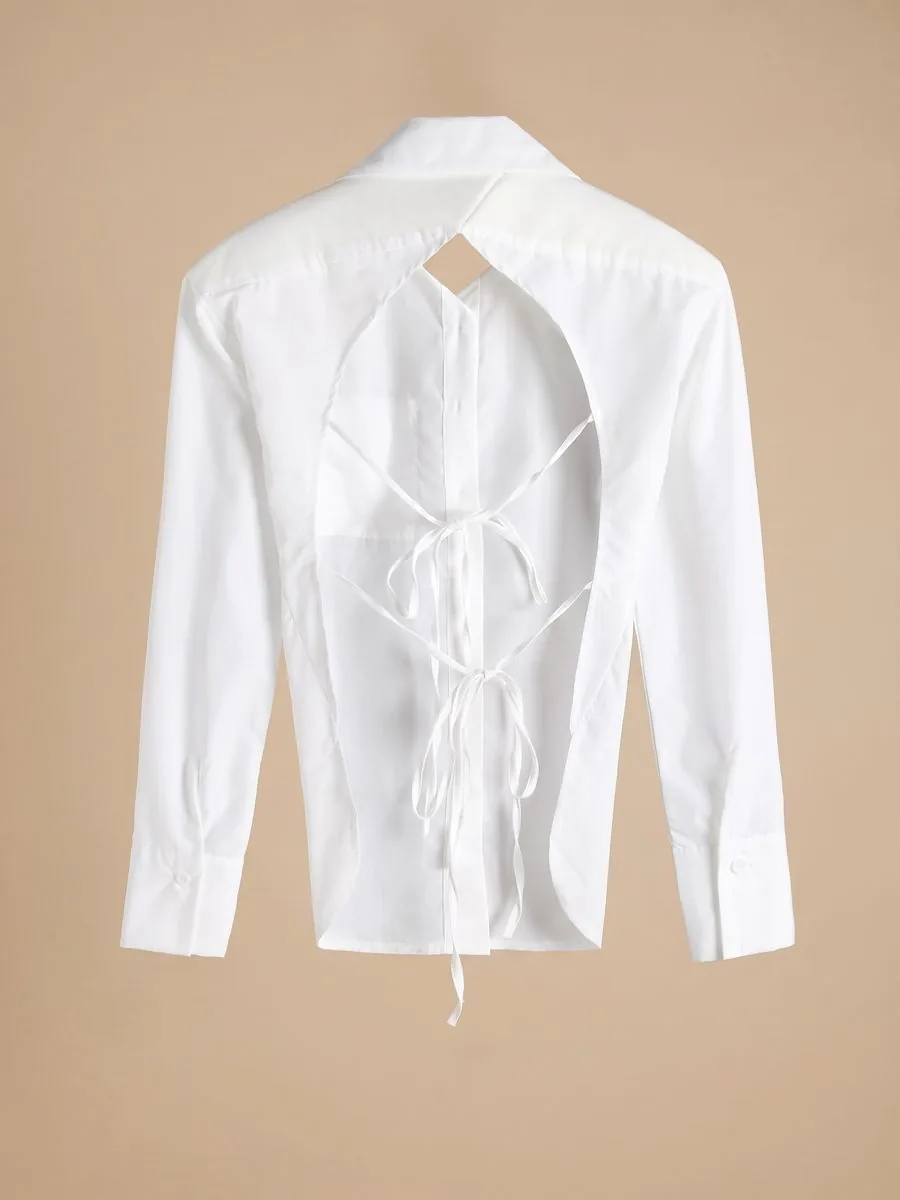
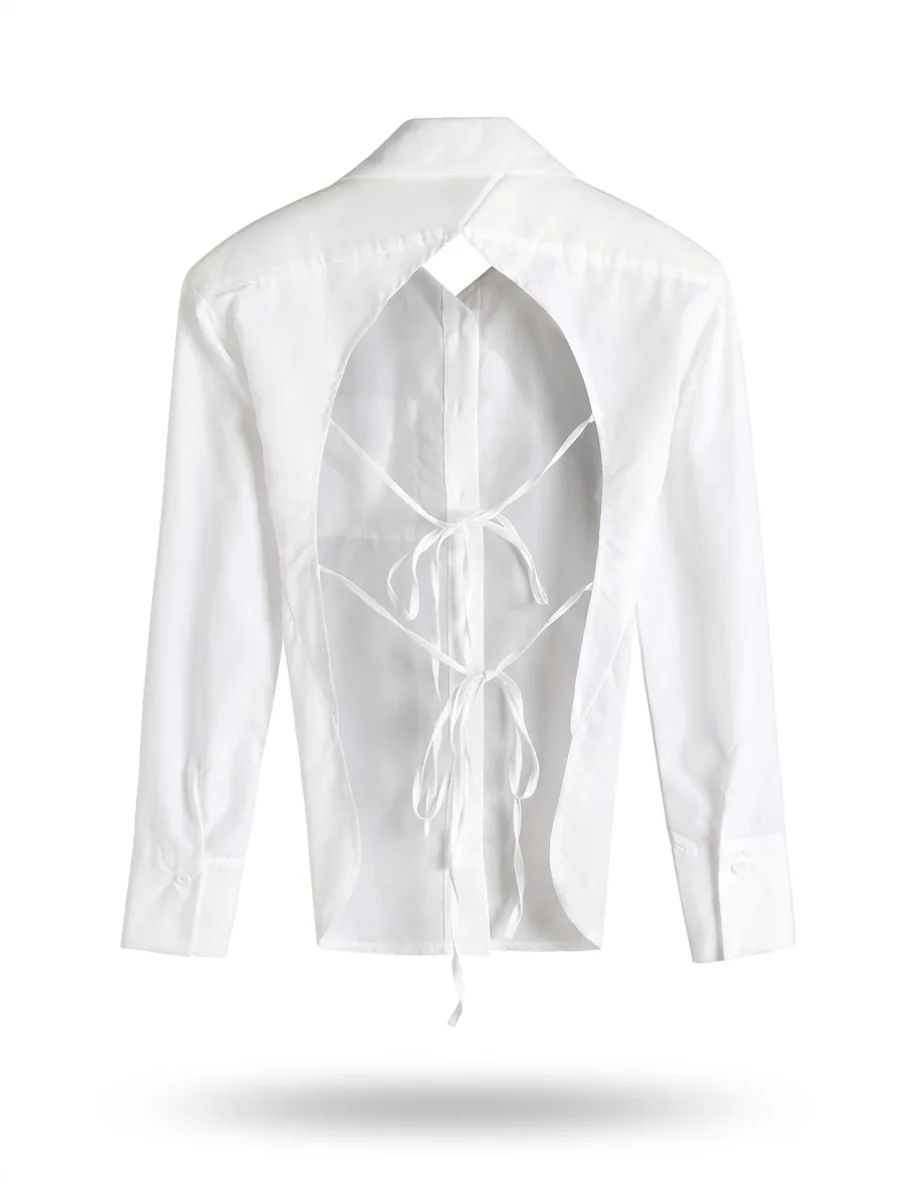
Plien Roob's ghost mannequin is more sensitive to source-photo quality than any other tool we ship. A straight-on shot, unwrinkled fabric, even lighting, and a background that does not blend into the garment colour all measurably improve the result. The same photo run twice will not be identical either, because the model at the other end is inherently probabilistic.
Do not judge from a single image. If the first run misses, try again or change the source photo before concluding the tool cannot handle that kind of product.
Why there is no level below standard
While choosing models we also tested a cheaper one, and found it inventing a brand tag that does not exist on the collar — despite an explicit instruction not to. That is not a picture-quality problem, it is a truthfulness problem: a second-hand shop posting a photo with an AI-fabricated brand tag is misrepresenting the item. We dropped that option, so there is no cheaper level to pick by mistake. It costs 2 credits per image at standard quality and 4 at premium, which use the same AI and differ only in output size.
Want a model in the shot too? Pick a tool
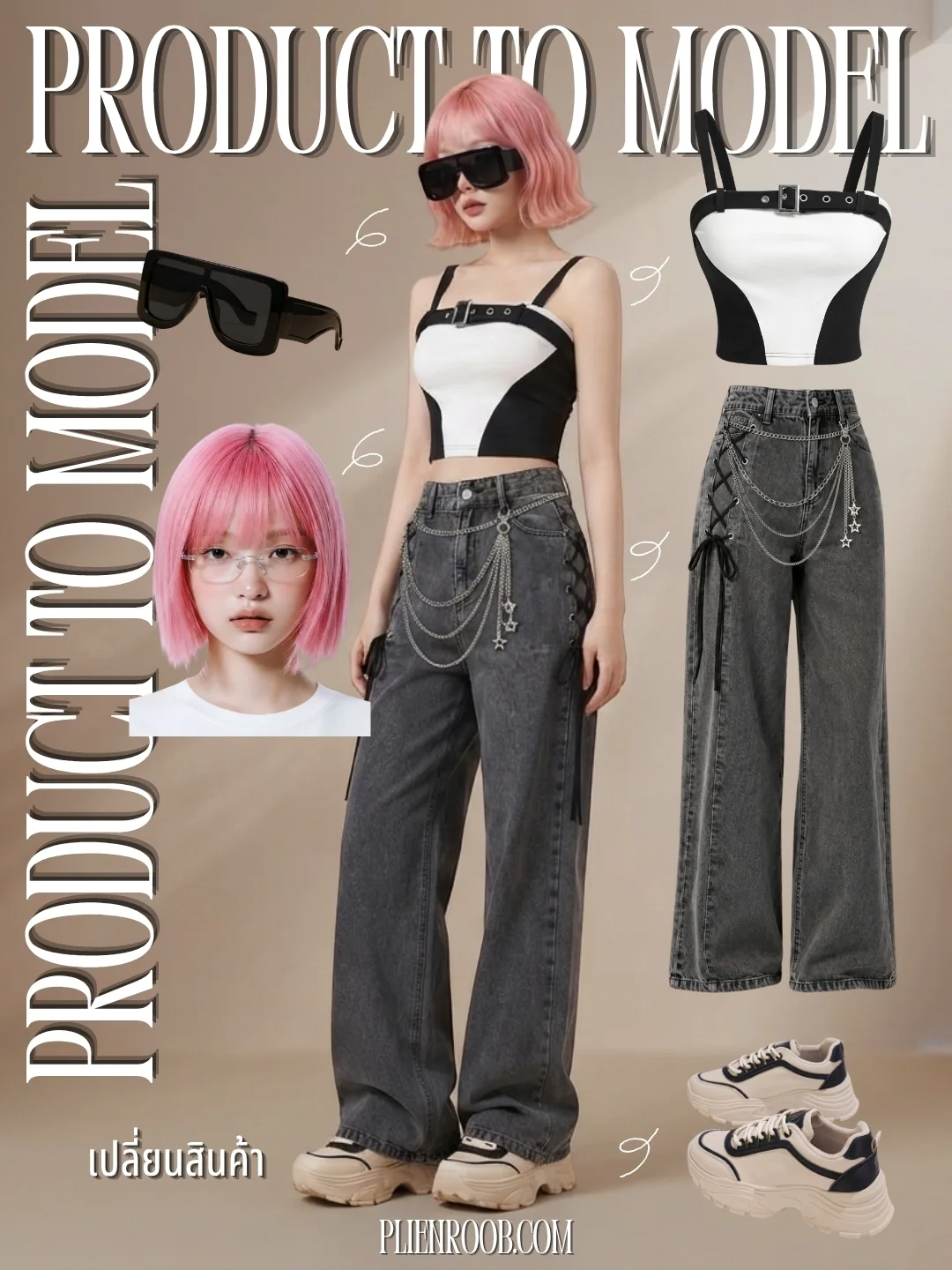
What you can do with an AI model on this site. Each card is that tool's cover image; tap it to read how the tool works.
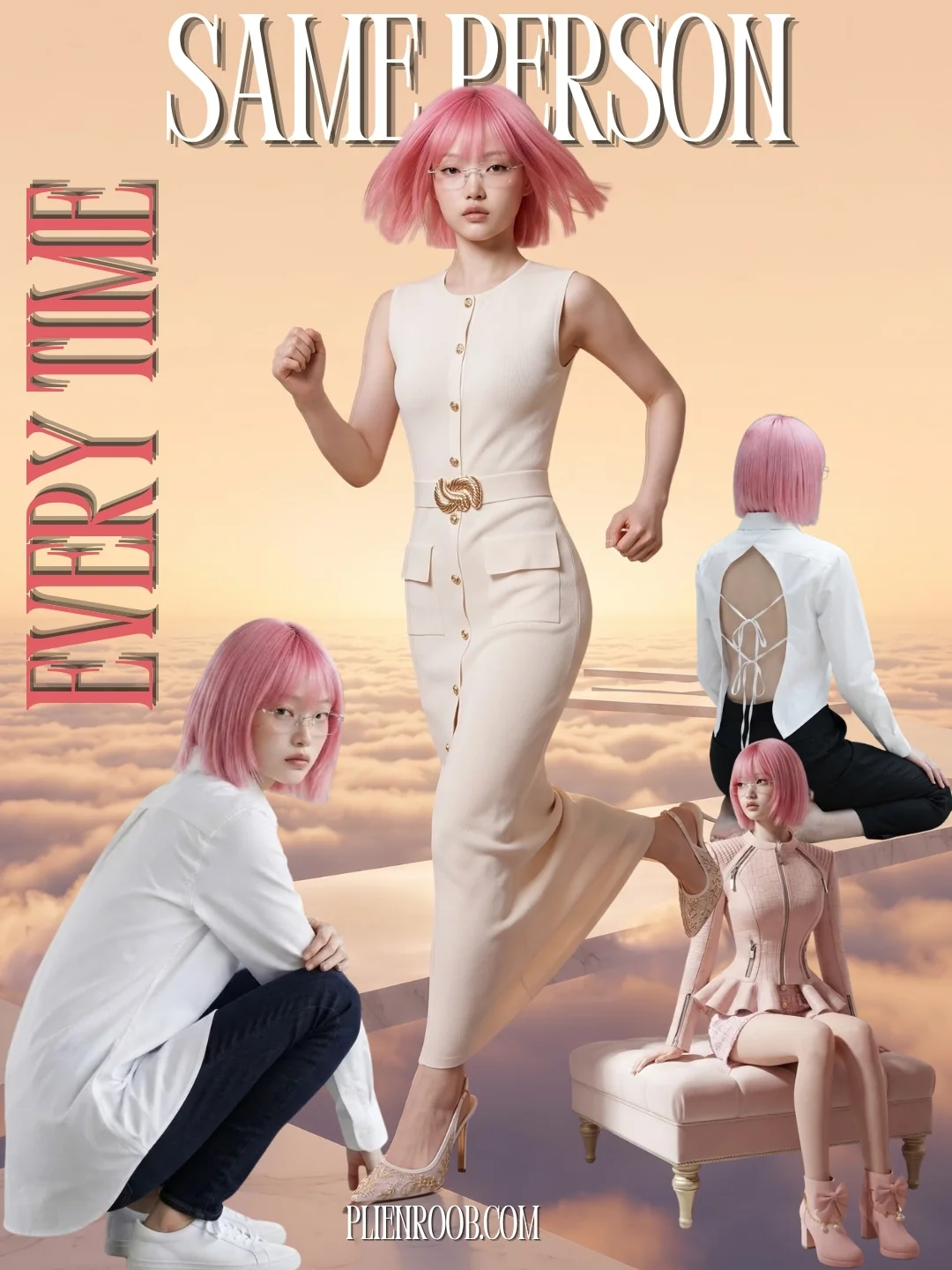
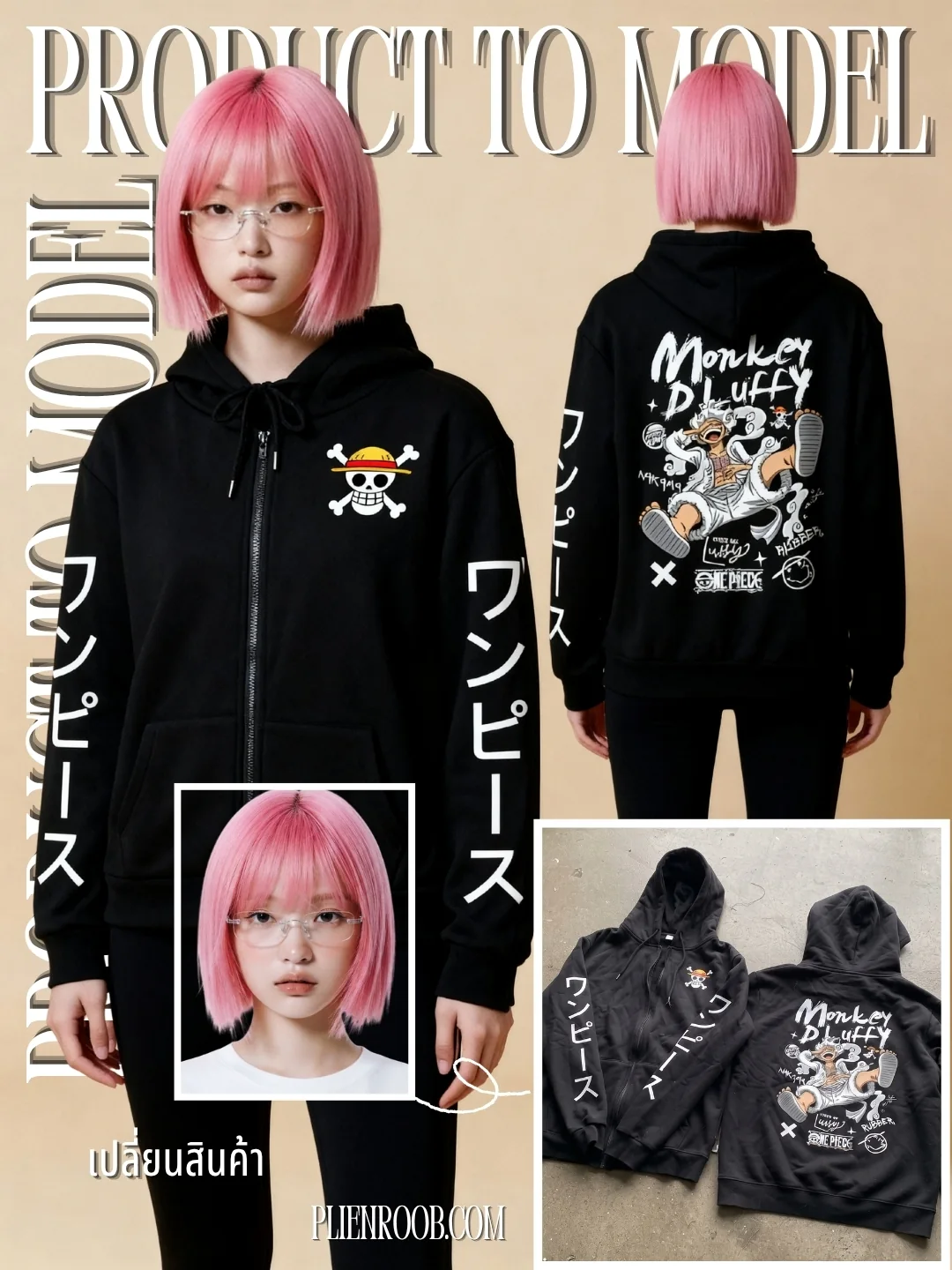
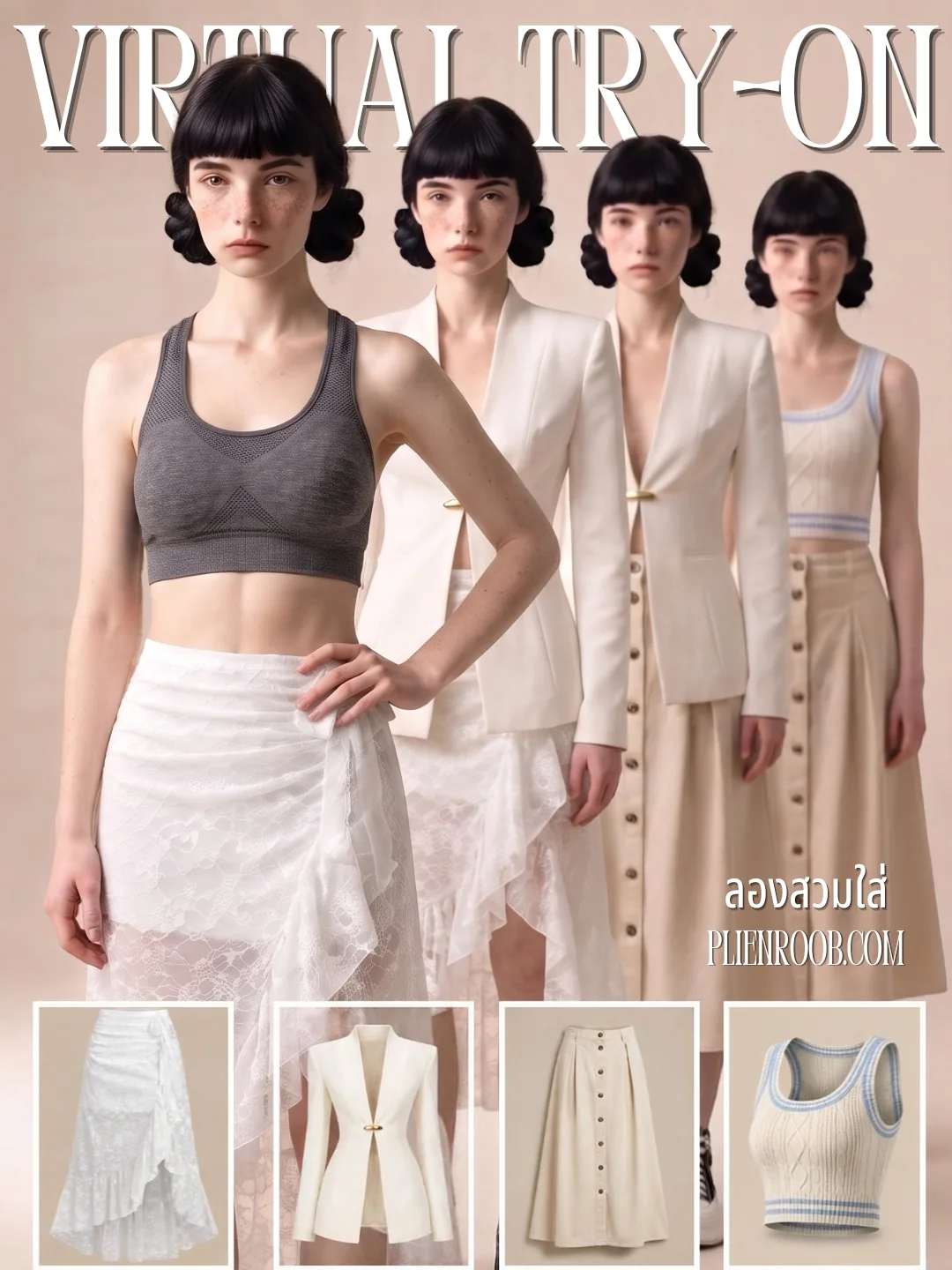
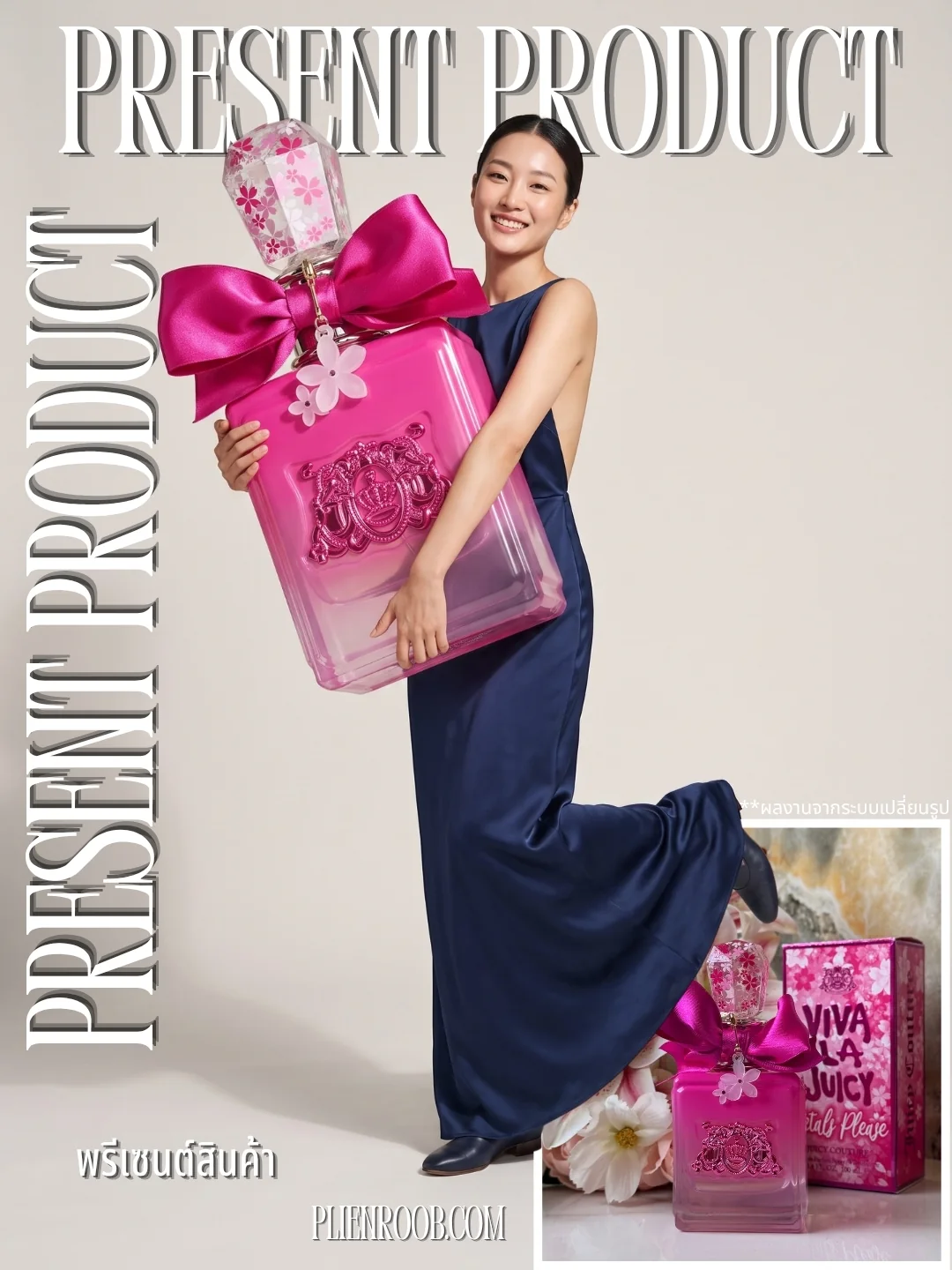
Pairs with the other tools
Send the ghost mannequin result through background removal to get a transparent file for your own branded backdrop, or through upscale if you need it for print.
Frequently asked questions
What is a ghost mannequin photo?
It is a garment holding the shape it takes when worn — fabric thickness and the inside of the collar are visible — with no person and no mannequin in the frame. It is the standard catalogue shot for clothing, and it works from flat-lay photos as well as photos of someone wearing the item.
Does the colour match the real garment?
Usually, but results sometimes come back slightly lighter than the real thing. If colour is what closes the sale, compare the result against the physical item before you list it.
The first result was not good. What now?
Run it again or change the source photo before concluding the tool cannot handle that kind of product, because the output is probabilistic and the same photo run twice will not be identical. A straight-on shot with unwrinkled fabric, even lighting and a background that does not blend into the garment colour measurably improves the result.
Why is there no cheaper quality option?
Ghost mannequin costs 2 credits per image at Standard 1K, 3 at Standard 2K and 4 at premium. Every level uses the same AI and differs only in output size: premium returns an image four times larger on each side, which is enough for print, but it does not make small lettering on the garment any more accurate — we tested both on an identical source photo. While choosing models we tested a cheaper one and found it inventing a brand tag on the collar that does not exist, despite an explicit instruction not to, so we dropped it rather than leave a wrong choice on the screen.

Plien Roob