News
e-Conomy SEA 2026: Southeast Asia E-Commerce Up 18%, and 69% of Shoppers Use AI to Compare Complex Purchases
Last updated 2026-10-24From Plien Roob — AI model photography for online stores


Bain & Company announced on 21 Oct 2026 that the 11th e-Conomy SEA report, Building the Intelligent Economy, made with Google and Temasek, puts Southeast Asia's 2026 digital economy at 368 billion dollars in gross merchandise value, up 17% on the year. Thai clothing shops should know what the figures say and what they don't.
The headline figures
Southeast Asia's 2026 digital economy: projected 368 billion dollars, up 17%
E-commerce: 226 billion dollars, up 18%
Expected to exceed 1 trillion dollars by 2035
31% of searches are multimodal
69% of shoppers use AI to compare complex purchases such as electronics
243 million generative AI users, or 58% of the region's working population
 Illustration
What the figures don't say
Every figure we read is regional; Bain's release has no Thailand-only numbers, and the 69% concerns complex purchases such as electronics, not clothing. So we can't say what share of Thai clothing shoppers use AI to compare products.
7 things you can do in Plien Roob
What you can make on this site. Each card is that tool's cover image; tap it to read how the tool works.






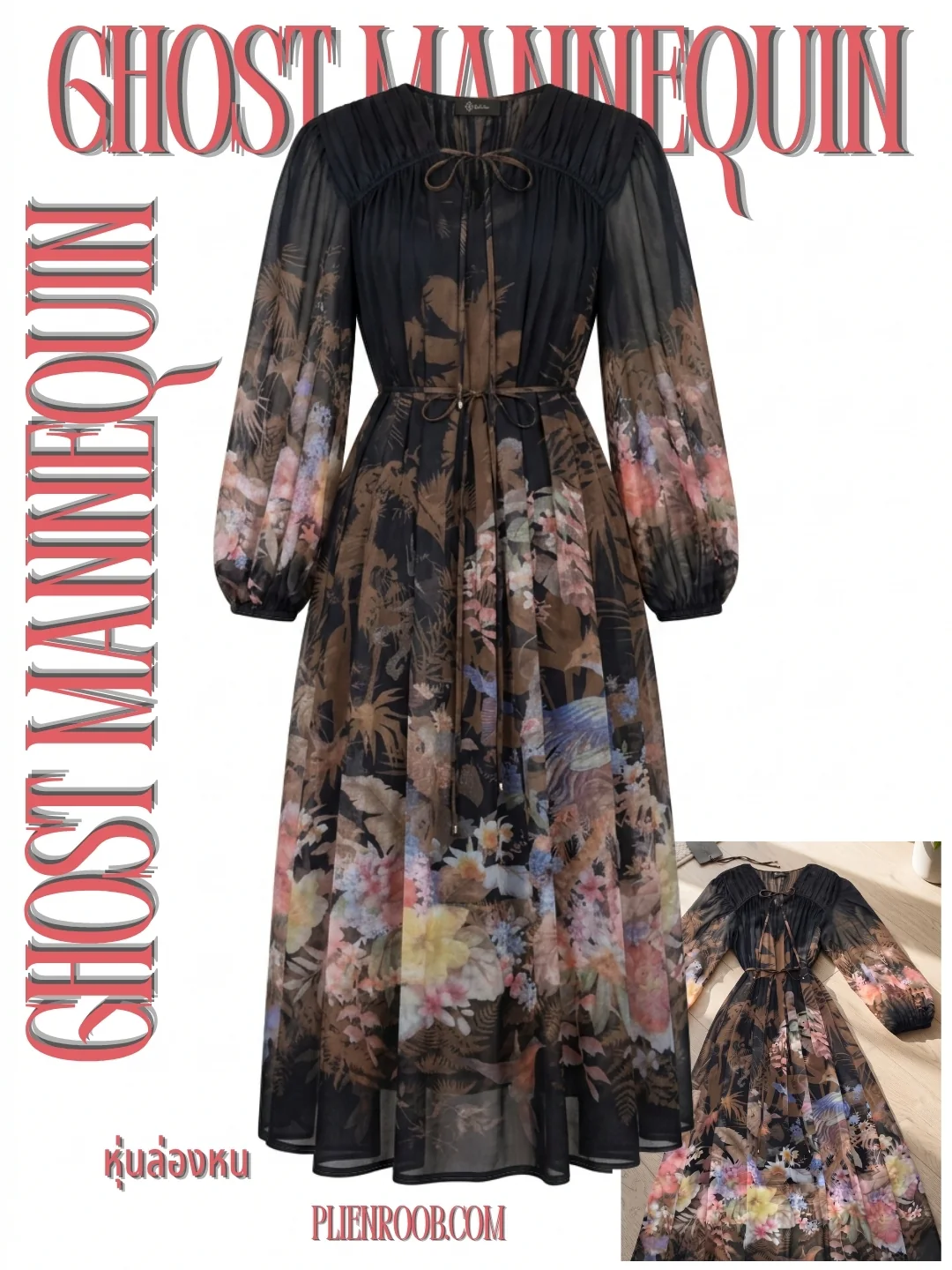
What clothing shops can do about product images
Our own conclusion, not a statement in the report: if shoppers use AI tools more to search and compare, product images that are sharp and match the real item should help the product be understood correctly.
Shoot or make images where the print, lettering on the product, cut and accessories match the real item
Write the product details out in text (size, material, colour) and don't rely on images alone
If you use AI images, zoom in and compare each with the real garment before posting
 Illustration
If you make model photos with Plien Roob
In Plien Roob's product-to-model tool you upload a photo of clothes laid flat or on a hanger and pick a model and scene from the library. The system tells the AI to keep the print and lettering from your photo, but that is an instruction, not a guarantee, so zoom in and compare with the real garment before posting each image.
Frequently asked questions
When was the e-Conomy SEA 2026 report released, and by whom
According to Bain & Company's release of 21 Oct 2026, it is the 11th report, Building the Intelligent Economy, made jointly by Google, Temasek and Bain.
How big is Southeast Asian e-commerce
226 billion dollars, up 18% on the year, according to Bain's release.
Are there figures for Thailand
The release we read has no Thailand-only figures.
What does the 69% mean
The share of shoppers who use AI to compare complex purchases such as electronics, per Bain's release. It is not a clothing figure.

Plien Roob
Ready for your first product photo?
Sources
- Bain & Company · Southeast Asia's digital economy set for $368B GMV in 2026, tracking to $1T by 2035 · 2026-10-21
Photos by Pavel Danilyuk · cottonbro studio on Pexels